Understanding the Basics of Laundry Appliances
Choosing a new laundry appliance is a significant decision. You must consider many factors before buying. The market offers a wide variety of options. You will encounter various shapes, sizes, and features. Consequently, the choice can often feel overwhelming. One specific type stands out for modern homes. It is the integrated tumble dryer. This appliance has gained immense popularity recently. It offers a sleek and seamless look for kitchens. But is it the right choice for your home? Many homeowners struggle with this exact question. They wonder if the aesthetic benefits outweigh the practical considerations. Therefore, this article will explore the subject in depth. We will compare the integrated model with the traditional freestanding unit. This guide will help you make an informed decision.
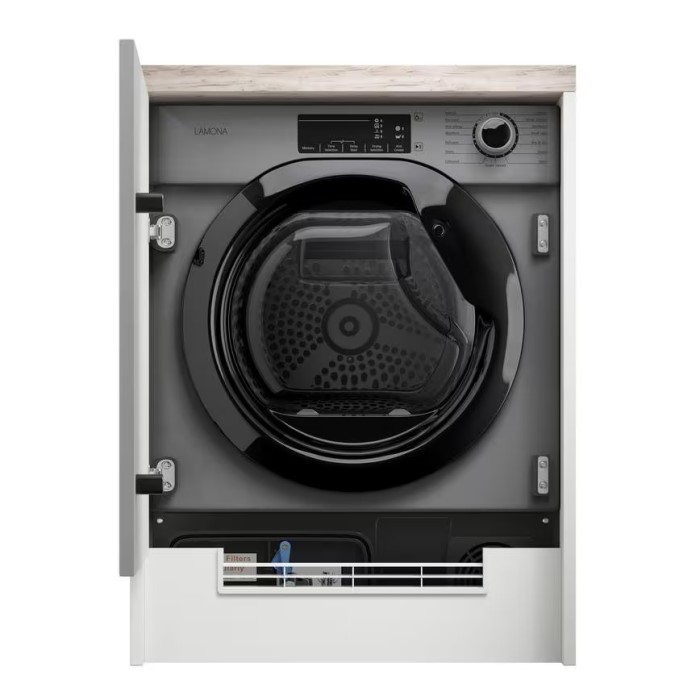
A freestanding tumble dryer is the traditional choice. You see them in many utility rooms and garages. They are versatile and easy to install. You simply plug them in and push them into place. On the other hand, an integrated model is designed to hide away. It sits inside a cabinet with a door attached to the front. Consequently, it becomes invisible when the cupboard is closed. This distinction is crucial for understanding their differences. Furthermore, the installation process varies greatly between the two. One offers flexibility, while the other offers a specific design goal. You must weigh these factors carefully. Your choice depends on your kitchen layout and your personal preferences. Additionally, budget plays a significant role in the decision.
The Mechanics of an Integrated Tumble Dryer
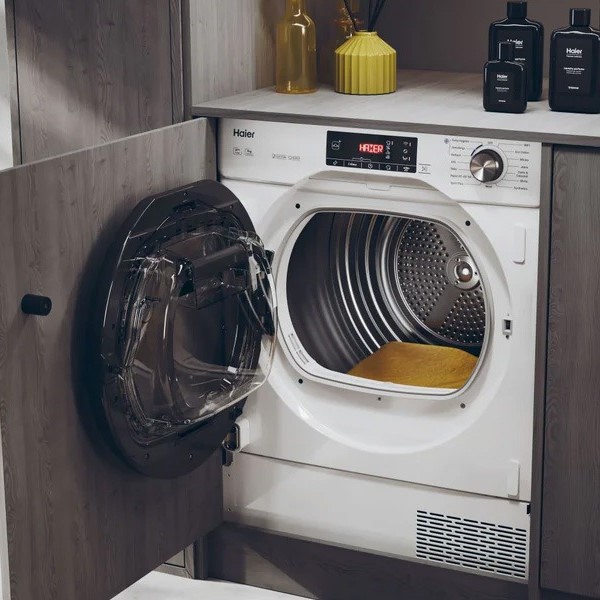
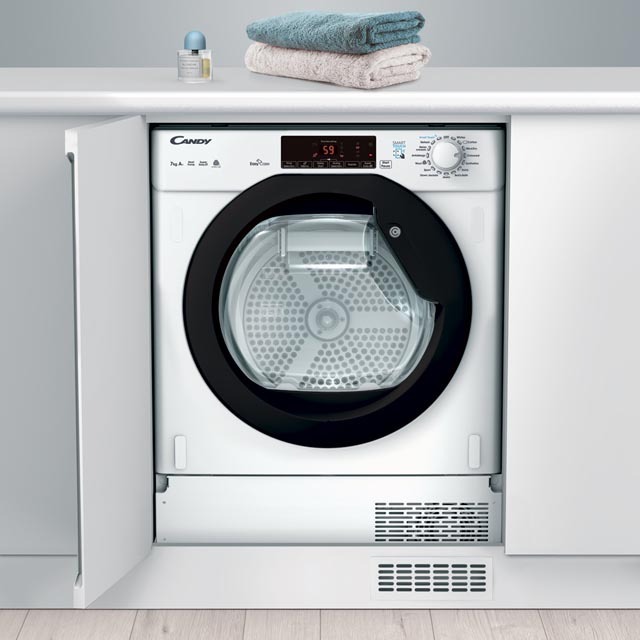
An integrated tumble dryer operates differently regarding installation. It is built to fit within your kitchen cabinetry. The machine sits on its own feet inside a specific housing unit. However, it does not have a decorative outer door like a freestanding model. Instead, it has a fascia where you attach a furniture door. This furniture door matches the rest of your kitchen cupboards. Consequently, the machine disappears from view. This creates a streamlined and uniform appearance. Many people love this feature. It keeps the laundry equipment hidden from guests. Therefore, it maintains the high-end look of a modern kitchen.
The ventilation or condensation mechanics work similarly to other dryers. You can find vented or condenser integrated models. Furthermore, heat pump technology is also available in this format. However, the space is often tighter inside the cabinet. This can restrict airflow around the machine. Manufacturers design the machine to handle this. But you must ensure proper ventilation in the cabinet housing. Otherwise, moisture can build up. This could damage your cabinets over time. Thus, installation requires careful planning. You cannot simply slide it in like a freestanding unit. It needs a precise fit.
Moreover, the controls are located in a specific way. Usually, the control panel is on the front of the machine. But it is designed to be covered by the furniture door. Some models have the control panel on the inside of the machine’s door. This allows you to check settings without opening the cabinet door. This design shows how specialized these appliances are. They prioritize aesthetics without sacrificing functionality. Consequently, they are an engineering marvel for compact living. They solve the problem of ugly appliances in open-plan living spaces. Therefore, understanding these mechanics helps you appreciate the complexity involved.
The Appeal of Freestanding Tumble Dryers
Freestanding tumble dryers are the workhorses of the laundry world. They are the most common type found in homes. These machines are completely self-contained. You can place them anywhere with a power outlet and ventilation. Consequently, they offer unmatched flexibility. If you move house, you can easily take the machine with you. You do not need to dismantle a cabinet. Furthermore, you can place them on top of a matching washing machine. This stacks the units and saves floor space. Therefore, they are excellent for small utility rooms where width is limited.
The installation process is incredibly simple. You do not need a carpenter. You just need a plug and maybe a vent hose. This ease of installation reduces the initial cost significantly. You save money on fitting services. Furthermore, freestanding models are widely available. Every major brand produces them. Therefore, you have a vast selection of features and price points. You can easily shop around for the best deal. This competition drives down prices. Thus, freestanding models are often more affordable upfront.
Additionally, maintenance is straightforward. The machine is fully accessible. A technician can easily pull it out to check the back. Air circulates freely around the unit. This prevents overheating. Furthermore, you can see the drum capacity. Freestanding models often have larger drums. This is because they are not constrained by standard cabinet widths. Consequently, large families often prefer them. You can dry more clothes in a single load. This saves time and energy. Thus, the freestanding dryer prioritizes function and convenience. It is a practical choice for many households.
Installation and Space Requirements
The installation process is a major differentiator. For an integrated tumble dryer, the process is complex. You need a dedicated cabinet housing unit. This unit must match the dimensions of the dryer precisely. Therefore, you must measure carefully. You cannot guess the size. If the housing is too small, the machine will not fit. If it is too large, gaps will appear. Furthermore, you need a furniture door. This door must be drilled to align with the machine’s fascia. This requires some DIY skill or a professional installer. Consequently, the installation cost is higher. It is not a plug-and-play situation.
Moreover, you need space for the door to open. The furniture door adds weight and thickness. When you open it, it swings out. You need clearance in front of the machine. This can be an issue in tight kitchens. Additionally, you need space behind the machine for the vents and hoses. You cannot push it all the way to the back wall. You must leave room for connections. Thus, the depth of the cabinet is critical. These dimensions restrict your options. You have fewer models to choose from compared to freestanding units. Therefore, you must do your homework before buying.
Aesthetic and Design Considerations
The primary reason people choose integrated models is aesthetics. Modern kitchens focus on clean lines. Handles, colors, and textures match perfectly. An exposed white or silver dryer breaks this visual flow. It looks like an appliance, not a piece of furniture. Therefore, designers often recommend integrated appliances. They want the kitchen to look like a living space. With an integrated tumble dryer, the machine is hidden. Guests see only a row of matching cabinets. This creates a sense of calm and order. Consequently, the kitchen feels larger and less cluttered. This is especially true for open-plan living areas. You do not want to see laundry while eating dinner.
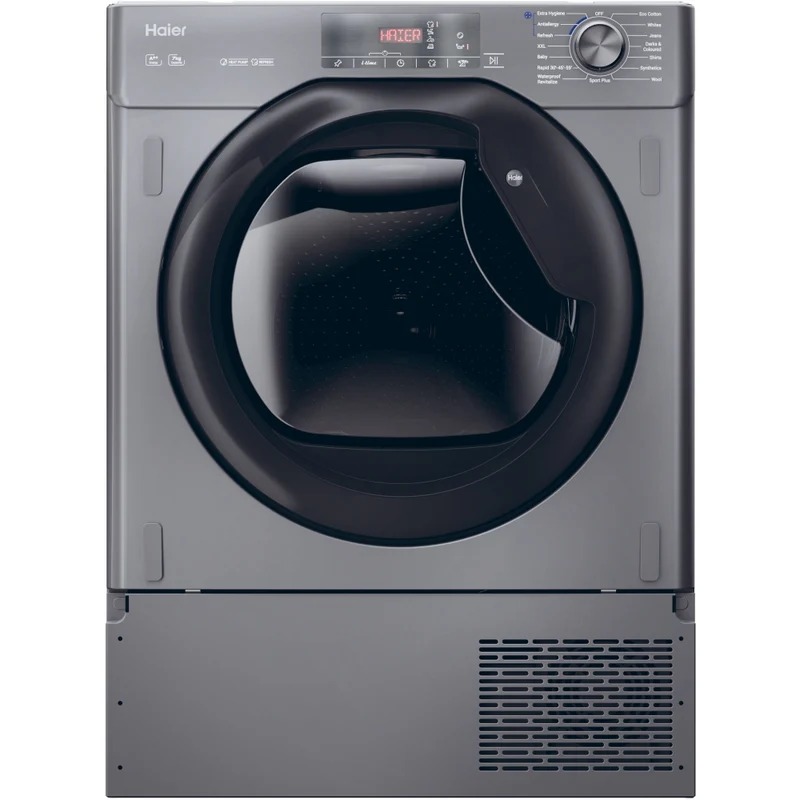
However, you must consider the visual trade-off. When you open the furniture door, the machine is exposed. You see the metal drum and the lint filter. Furthermore, the furniture door can be heavy. It stays open while you load the machine. This can obstruct the walkway in a narrow kitchen. Therefore, you need adequate space to operate the machine comfortably. Additionally, the kitchen design looks seamless, but the usage experience changes. You have to open a cupboard to check the laundry. This extra step might annoy some users.
Freestanding dryers offer a different look. Modern designs are sleeker than older models. You can buy models with nice digital displays and smooth doors. However, they will always look like a machine. They stand out in the room. If you have a separate utility room, this does not matter. You can close the door to the utility room. But if the dryer is in your main kitchen, it might look out of place. Therefore, the layout of your home dictates the importance of aesthetics. If you value a minimalist look, integrated is the winner. If you prioritize function over form, freestanding works fine.
Capacity and Performance Differences
Capacity is a crucial factor for families. Generally, freestanding dryers offer larger capacities. They are built to standard widths, often 60cm. But the drum can extend further back. This allows for load sizes of 8kg, 9kg, or even 10kg. Consequently, you can dry bulky items like duvets. You can also dry more clothes at once. This saves time for large households. Therefore, freestanding models are often the workhorse choice. They handle large volumes of laundry efficiently.
Integrated models are slightly more restricted. They must fit entirely inside a standard cabinet. The depth of the cabinet limits the drum depth. Therefore, integrated drums are often smaller. A typical capacity might range from 6kg to 8kg. This is sufficient for small to medium families. However, it might be too small for a large family. You would have to run the dryer more often. This uses more energy and time. Consequently, you must assess your laundry volume. If you do laundry every day, capacity matters. If you only do small loads, an integrated model is fine.
Furthermore, performance can be affected by the environment. Integrated models are enclosed. They rely on ventilation holes in the cabinet plinth. If this ventilation is poor, the machine can overheat. It might shut off to protect itself. Freestanding models have open air around them. They cool down more effectively. Therefore, they can run for longer cycles without issue. Thus, the performance reliability is slightly higher for freestanding units. You must ensure your carpenter builds the housing correctly for an integrated unit. Good airflow is essential for optimal drying performance.
Maintenance and Repair Accessibility
Appliances break down eventually. It is an unfortunate reality. When this happens, access is vital. A freestanding dryer is easy to service. A repair person can pull it out immediately. They can access the back panel easily. They can check the motor and belts without obstruction. Consequently, repair times are shorter. The cost of labor might be lower. Furthermore, spare parts are widely available. These machines are standard models. Therefore, fixing a freestanding dryer is relatively hassle-free.
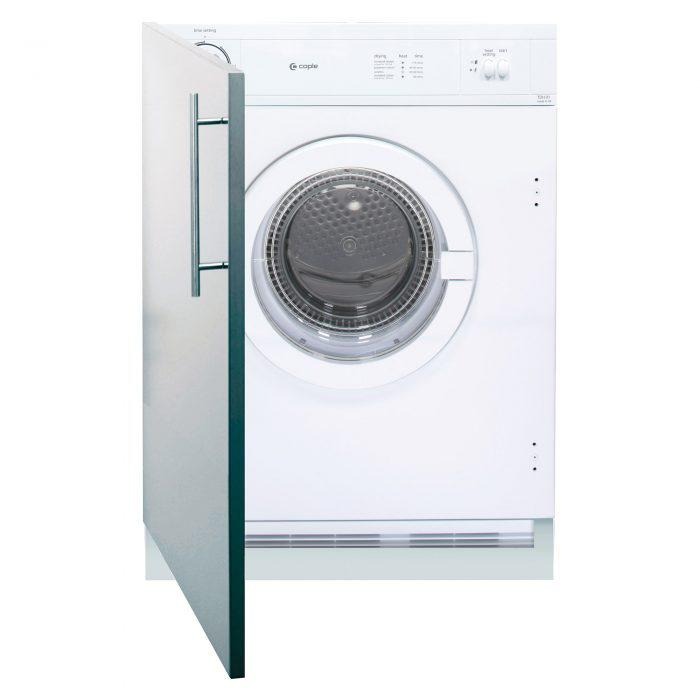
An integrated tumble dryer presents more challenges. The machine is screwed into the housing. The furniture door is attached to the machine. Therefore, the repair person must dismantle the unit first. They have to unscrew the machine and slide it out. This takes time and effort. Consequently, the labor costs for repairs are often higher. Furthermore, the risk of damage to the cabinet exists. The heavy machine can scratch the floor or the cabinet sides. Thus, repairs are more stressful. You worry about the kitchen furniture as well as the machine.
Additionally, routine maintenance is more annoying. You need to clean the condenser or the lint filter regularly. With an integrated model, you have to open the cupboard door. Then you open the machine door. This double-door action can be cumbersome. Furthermore, the water collection tank is usually inside the machine. You have to bend down inside the cabinet to empty it. On some freestanding models, the tank is easier to reach. Therefore, daily usability is less convenient with an integrated unit. You trade convenience for the hidden look. You must decide if the visual trade-off is worth the extra effort.
Cost Analysis and Budget Considerations
Budget is usually the deciding factor. Freestanding dryers are generally cheaper. The manufacturing process is simpler. They are mass-produced in higher volumes. Therefore, economies of scale drive down the price. You can find a reliable freestanding dryer for a very reasonable price. Furthermore, the installation cost is zero if you do it yourself. You just plug it in. Thus, the total entry price is low. This makes freestanding models accessible to everyone. They fit into tight budgets easily.
An integrated tumble dryer is a premium product. The machine itself costs more to buy. It has specific mounting hardware and design features. Furthermore, you have the additional cost of the cabinet. You need to buy a housing unit. This is part of your kitchen furniture cost. Additionally, you need the furniture door. This door costs money to make and install. Then, you have the installation labor. You need a kitchen fitter or a skilled carpenter. Consequently, the total cost is significantly higher. You are paying for the privilege of a hidden appliance.
However, you should consider the long-term value. An integrated kitchen adds value to your home. It looks expensive and well-designed. Therefore, it might be a good investment if you plan to sell. A freestanding dryer does not add property value. It is just a machine. But you must weigh this against the higher repair costs. Integrated machines can be more expensive to fix. Therefore, the total cost of ownership is higher. You pay more upfront and potentially more later. You must decide if the aesthetic benefit justifies the expense. For many homeowners, the sleek look is worth every penny. For others, the savings are more important.
Conclusion
The choice between these two appliances depends on your priorities. You must weigh aesthetics against practicality. The integrated tumble dryer offers a beautiful, seamless look. It hides the clutter of laundry day. It is perfect for open-plan living and modern designs. However, it comes with higher costs and complex installation. It also has smaller capacity and harder maintenance. Conversely, the freestanding model is the practical champion. Ultimately, your decision rests on your home layout and your budget. Consider your needs carefully. Then, choose the dryer that makes your life easier. Your perfect laundry day awaits.